
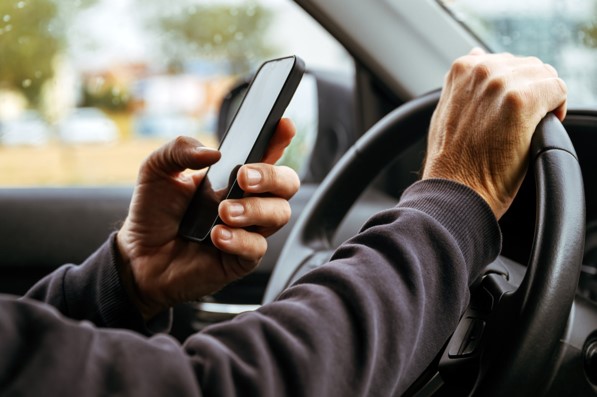
In 2026, the definition of a “distraction” while driving in Ontario has expanded far beyond just holding a mobile phone to send a text message. As vehicles become more integrated with sophisticated infotainment systems and wearable technology becomes the norm, the legal scrutiny on driver attention has intensified to unprecedented levels. Receiving a distracted driving ticket in Ontario is no longer a minor roadside inconvenience; it is a significant legal event that can lead to immediate license suspensions, heavy financial burdens, and long-term damage to your professional reputation. At Traffic Paralegal Services, we have witnessed firsthand how a single moment of checking a notification – even at a red light – can jeopardise a person’s livelihood. The laws in Ontario are designed to be punitive, and without a robust defence, the consequences are almost always life-altering.
The Evolution of Distracted Driving Enforcement
Under the current Highway Traffic Act (HTA), the mere act of holding an electronic device – regardless of whether it is being actively used – constitutes an offence. This strict liability approach means that “I was just moving it to the cup holder” is rarely a valid defence in the eyes of a police officer. In 2026, law enforcement agencies across Ontario will have deployed advanced AI-assisted cameras capable of detecting hand-held device use through windshields at high speeds. This technological leap has made it easier for the Crown to build a case against drivers. However, these systems are not infallible. At Traffic Paralegal Services, we specialise in challenging the technical evidence and the officer’s observations to ensure our clients are not unfairly penalised.
The Financial and Administrative Toll
The penalties for a first-time conviction in Ontario are some of the harshest in North America. For a driver with a full G license, a conviction for a distracted driving ticket https://www.trafficparalegalservices.com/distracted-driving/ results in:
- A fine of up to $1,000 if the case goes to court and the judge imposes the maximum.
- The accumulation of three demerit points.
- A mandatory three-day license suspension upon conviction.
For novice drivers (G1, G2, M1, M2), the situation is even more dire. A first conviction can lead to a 30-day license suspension, effectively pausing your progress toward a full license. Furthermore, for a second or third conviction, the suspensions jump to seven and thirty days, respectively, accompanied by escalating fines. It is a common mistake for drivers to simply pay the fine, thinking they are resolving the issue quickly. In reality, paying the ticket is a formal admission of guilt, which triggers these penalties automatically. This is why Traffic Paralegal Services insists on a thorough legal review before any payment is made to the court.
The Insurance Impact: The Silent Profit Killer
While the court fines are expensive, the true cost of a distracted driving conviction is hidden in your insurance premiums. In 2026, almost all major insurance providers in Ontario classify distracted driving as a “major” or “serious” conviction, placing it in the same risk category as impaired driving. This reclassification can lead to a premium increase of 50% to 100%, or in many cases, a non-renewal of the policy. A driver who used to pay $2,000 a year might find themselves forced into the “high-risk” market with quotes exceeding $5,000 annually. Over the three years that a conviction stays on your record, the total cost of a single moment of distraction can exceed $15,000. Traffic Paralegal Services works tirelessly to avoid this outcome by negotiating for a withdrawal of the charge or a reduction to a non-moving violation that does not trigger such catastrophic insurance hikes.
Why Professional Representation is Essential
Defending a distracted driving ticket requires more than just an explanation of what happened; it requires a deep understanding of the rules of evidence and the Provincial Offences Act. Our team at Traffic Paralegal Services meticulously reviews the “disclosure” – the evidence the police have against you – including officer notes, dashcam footage, and third-party witness statements. We look for procedural errors, such as the failure to properly identify the device or the driver’s rights being infringed upon during the stop. By holding the prosecution to the highest standard of proof, we provide our clients with the best possible chance of keeping their driving record clean and their insurance rates affordable.



